Mastering Incoterms for Smooth EU Trade: A VAT-Focused Guide for Modern Businesses
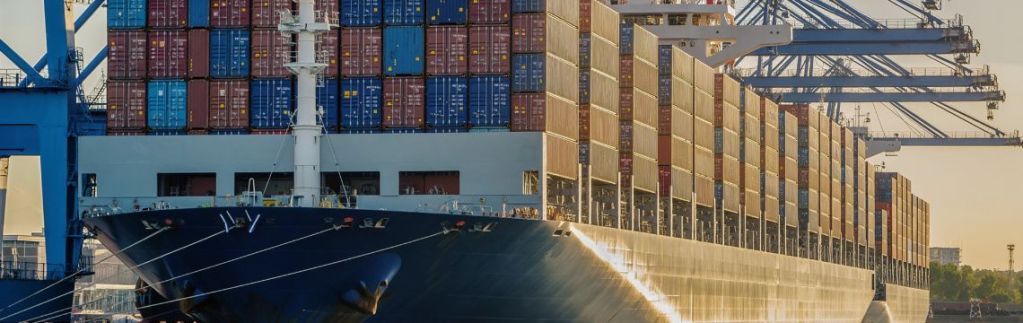
Incoterms (International Commercial Terms) are internationally recognised rules issued by the International Chamber of Commerce (ICC). They define which party bears the costs, risks, and responsibilities associated with transporting goods in international trade.
Although not contractual in themselves, Incoterms form essential clauses within sales agreements. They help identify which party is responsible for transport and related obligations, which in turn can assist in determining the correct VAT treatment. However, Incoterms alone are not decisive for VAT purposes, as incorrect use by businesses may lead to misleading VAT assumptions.
Why Do Incoterms Matter from a VAT Perspective?
Although Incoterms do not legally determine the place of supply, they strongly affect the facts that VAT authorities across EU member states examine.
Incoterms such as EXW (Ex Works) and DDP (Delivered Duty Paid) can lead to different conclusions about whether the goods have left the country of dispatch, which in turn affects the applicable VAT treatment.
Below showcases how incoterms can affect the VAT treatment
- EXW – Ex Works
Under EXW, the supplier makes the goods available at their premises meaning the customer is responsible for the collection of the goods from the supplier’s premises and all transport obligations when moving the goods cross-border.
Implication and VAT treatment:
If the supplier cannot obtain sufficient transport evidence to prove that the goods physically left the member state, then the supply cannot be classified as a zero‑rated intra-community supply.
Even though the customer moves the goods cross‑border, without supporting documentation to prove same, the supplier must treat the supply as a domestic sale in the country of dispatch.
- DDP – Delivered Duty Paid
Under DDP the supplier takes full responsibility for delivering the goods to the customer’s premises meaning the supplier is responsible for all transport obligations when moving the goods cross-border.
Implication and VAT treatment:
If the conditions under EU VAT rules allow, moving goods between EU Member States can be treated as a zero‑rated Intra‑Community Supply, with the supplier reporting a dispatch and the customer reporting an acquisition in their own VAT return. This VAT treatment therefore differs from the EXW approach as the supplier has the transport documentation and can therefore support their cross-border movement.
Furthermore, if we look at moving goods from a non-EU country to an EU Member State, when goods from a non-EU country under DDP enter into an EU Member State, the supplier becomes the importer of record and must make a subsequent domestic sale in the country of import if selling to that customer in the import country. Therefore, they must register for VAT in the destination country, due to the use of DDP and the fact that they are the owner of the goods upon entry into the EU. In order to transfer the ownership, they need to make an onward supply to their customer.
Conclusion
Incoterms are a core component of EU and international trade, but their VAT implications extend well beyond logistics.
They determine who holds responsibility for the movement of goods, the importer of record, and the maintenance of transport evidence, specifying whether such evidence should be provided by the supplier or the customer
These factors directly influence the correct VAT treatment, compliant invoicing, potential VAT registration obligations, and the quality of audit‑ready documentation.
However, Incoterms do not, on their own, determine the VAT outcome. Tax authorities may challenge or disregard the intended VAT position where the contractual terms do not reflect the actual flow of goods and in the context of intra‑Community supplies, they may even re‑characterise the VAT treatment despite what the agreed Incoterms imply, which creates a significant compliance risk, particularly for cross‑border EU transactions.
Contact Us
If you want expert guidance how the choice of incoterms can change your businesses VAT outcome, please contact Meridian’s team of VAT specialists, to provide tailored advice to help your business strengthen your operations and protect your business from avoidable risks.